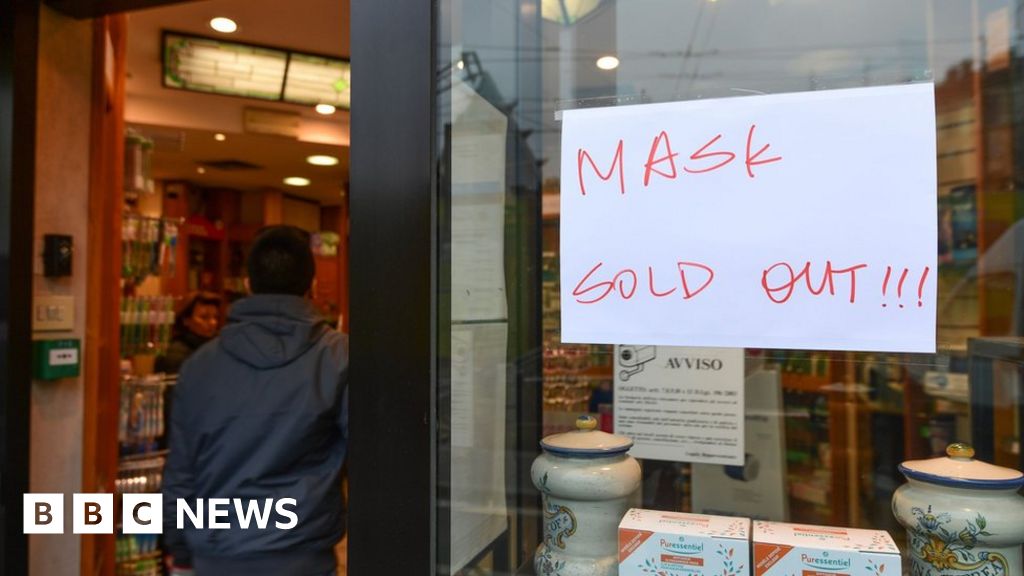
Health Secretary Matt Hancock has said Britons returning from quarantined Italian towns must self-isolate, even if they have no symptoms. In addition, those with flu-like symptoms coming back from areas of Italy north of Pisa should stay at home for 14 days. Italy has put several towns in Lombardy and Veneto into lockdown because of the coronavirus. Workers who are ill are entitled to statutory sick pay. But the law says if you aren't sick, you may not get paid. If you can work from home, you may be able to carry on as normal, says Sarah Evans, employment law partner at JMW Solicitors. But shop and factory workers probably won't have that option. The independent arbitration service, Acas, says it's "good practice" for your employer to treat it as sick leave or agree for the time to be taken as holiday. "Otherwise there's a risk the employee will come to work because they want to get paid," it says. The Chartered Institute of Personnel and Development goes a step further and says "there's also a strong moral responsibility to ensure that employees feel safe and secure in their employment," and that firms should make home working easier and be flexible with time off. But this is only advice and not the law. "There is no statutory right to pay if you aren't sick," says Ms Evans. Although some contracts may be more generous than others. Ms Evans. says that "to be on the safe side I'd be communicating with my employer every day". Not telling your boss why you are off work could breach your contract. If you are sick, or have symptoms, you qualify for at least statutory sick pay, or whatever your contract may provide over and above that. Statutory sick pay (SSP) is £94.25 per week and can be paid for up to 28 weeks. It is only paid from the fourth day of sickness. A doctor's note may not be necessary. "You can self-sign off with symptoms of flu without seeing a doctor," says Ms Evans. While long, frequent absences can get you sacked, workers can take some comfort from the fact that the call to self-isolate is government advice and is designed to stop the spread of disease. Also, employers have a responsibility to stop their workers from falling ill. "I don't think we will have many cases at tribunal where people have been sacked because they have followed government advice," says Ms Evans. "I don't think it's something most people should worry about necessarily." She adds: "I would expect to advise employers to accommodate what they can for as long as they can." There are, however, no hard and fast rules as to when and whether being fired for illness becomes an unfair dismissal. "There is no cut-off," says Ms Evans. "It very much depends on the circumstances."
Yorumlar
Yorum Gönder